What Happens Between Templating and Installation?
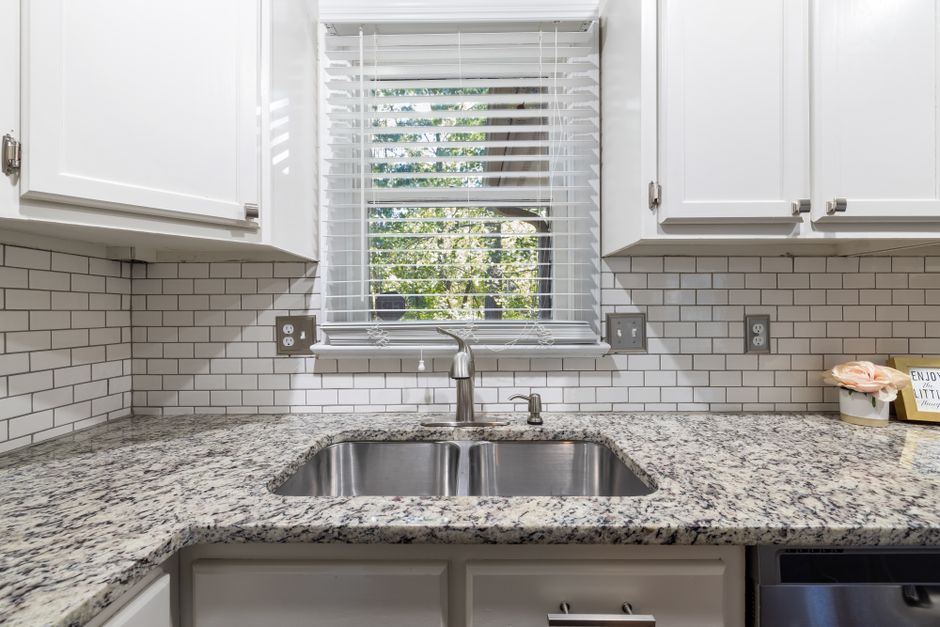
Nothing about a finished countertop in Boise, ID begins at the saw, and the jobs, as described at countertops boise 10 selection, start with a template taken after the cabinets are set and level. The template records the real walls, which are rarely square, and the real cabinet faces, which are rarely flush. A template taken before the cabinets are set is not as reliable, because a box that shifts even slightly changes every cut that follows.
Templating the room
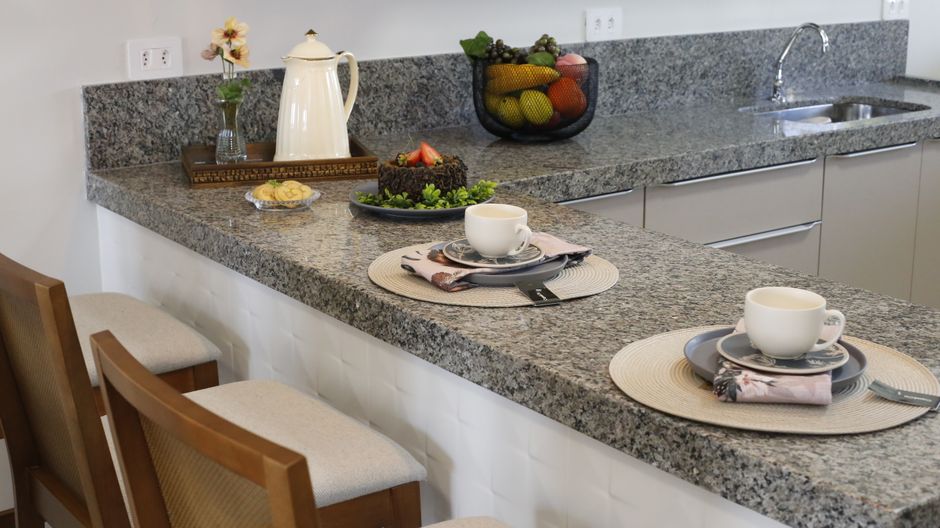
Templating is done with a laser measuring system or with rigid strips of template material fixed to the cabinet tops. Either way, the goal is the actual outline of the run, including wall bumps, the sink and cooktop positions, and the overhang at each open end. The edge profile is noted here too, since a bullnose and an eased edge remove different amounts of stone from the same piece.
Layout on the slab
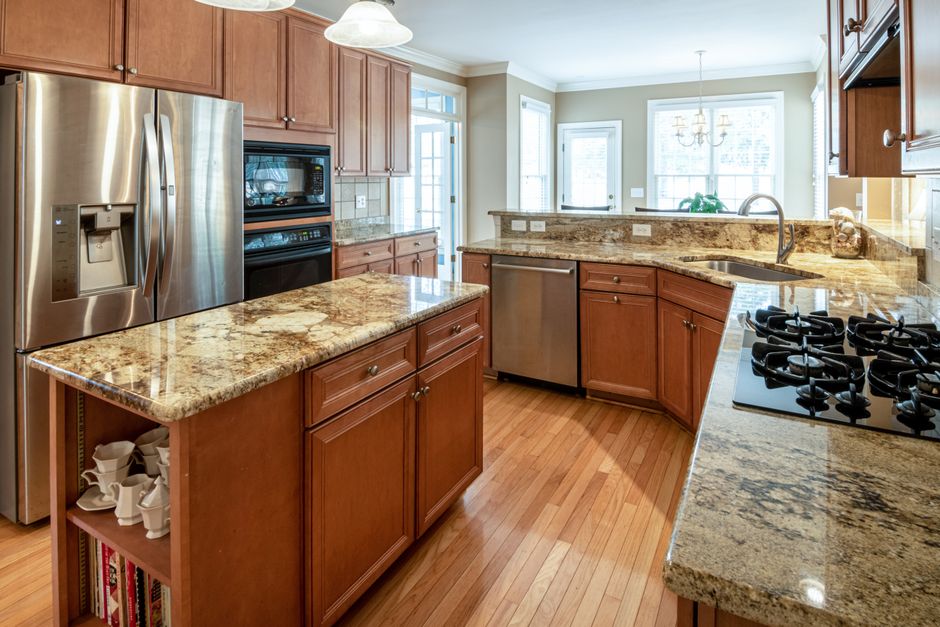
Layout decides where each piece is cut from the slab. That choice sets seam placement and decides how veining or pattern lines up across a joint. Not every layout can avoid a seam, and long runs or L shapes often need one. Natural granite, marble, and quartzite vary within a single slab, so a piece will not match its showroom sample exactly. A remnant can serve for a vanity or a small bar top when the color suits.
Cutting and shaping
Fabricators cut with saws and waterjet or CNC equipment, then shape and polish the edges. A waterfall edge adds mitered pieces that must be cut and joined with care so the pattern wraps the corner. Wet cutting and dust control matter, because cutting stone and engineered stone such as quartz can release hazardous respirable crystalline silica. Water at the blade and proper extraction keep that dust down.
Transport and setting
Finished pieces travel upright on supporting racks. A large piece laid flat without full support can crack, and the thin section beside a sink cutout is the usual place. At the house, installers dry fit each piece and check it against the walls. They shim low spots, then secure the stone to the cabinets. Leveling happens before anything is bonded down, not after.
Seams, sinks, and the wait
Seams are commonly filled with color matched adhesive. The joint is pulled tight, leveled flush, and cleaned before the adhesive fully cures, since cured adhesive has to be scraped or ground. Sinks and faucets should be connected only after the fabricator's recommended cure or waiting period has passed. Plumbing too early can disturb a fresh joint or a bonded sink, and the final fit is only done once everything has set.