How Can You Judge the Quality of Countertop Work?
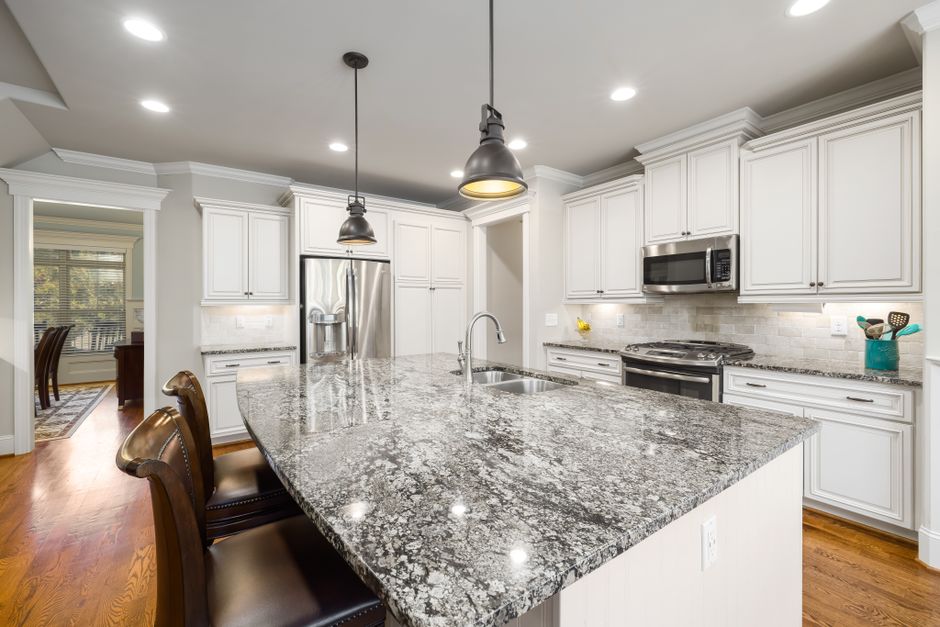
Every overhang gets support matched to the material, thickness, and length, and the rest of the inspection follows the same mechanical logic. Walking a finished job (the way the notes at countertops boise 10 selection read a kitchen) means checking seams, edges, cutouts, and wall gaps with a straightedge and a flat hand. Countertops in Boise, ID get the same checks whether the material is granite, quartz, or laminate, and a shiny surface says nothing about what sits underneath.
Seams
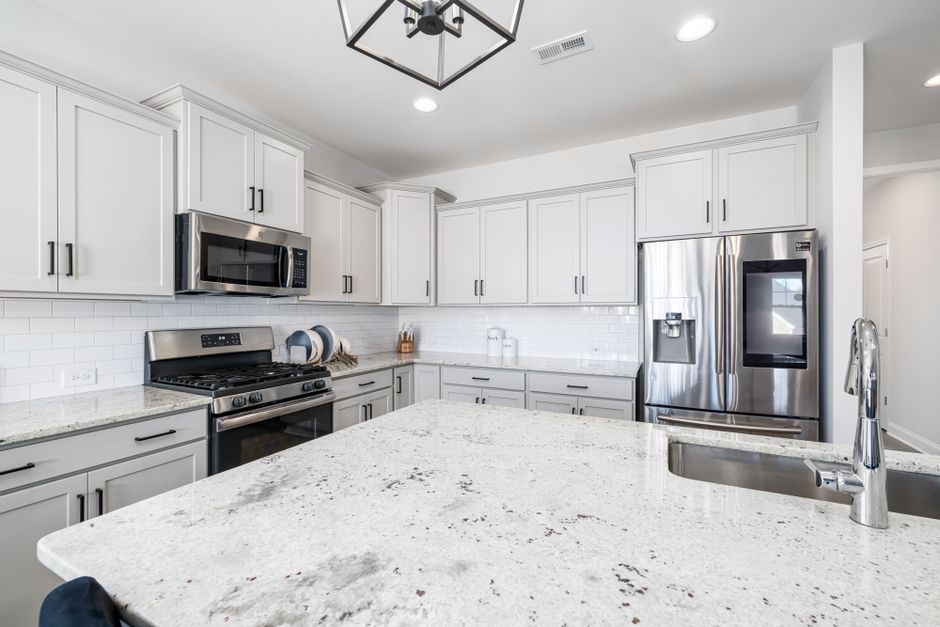
Run a flat hand across the seam. A well made seam feels smooth and the two surfaces sit closely aligned, though it may still be visible, especially on patterned or dark material. Lay a straightedge across the joint to find lippage, where one piece sits higher than the other. Seam placement is settled before cutting, not discovered after install.
Edges
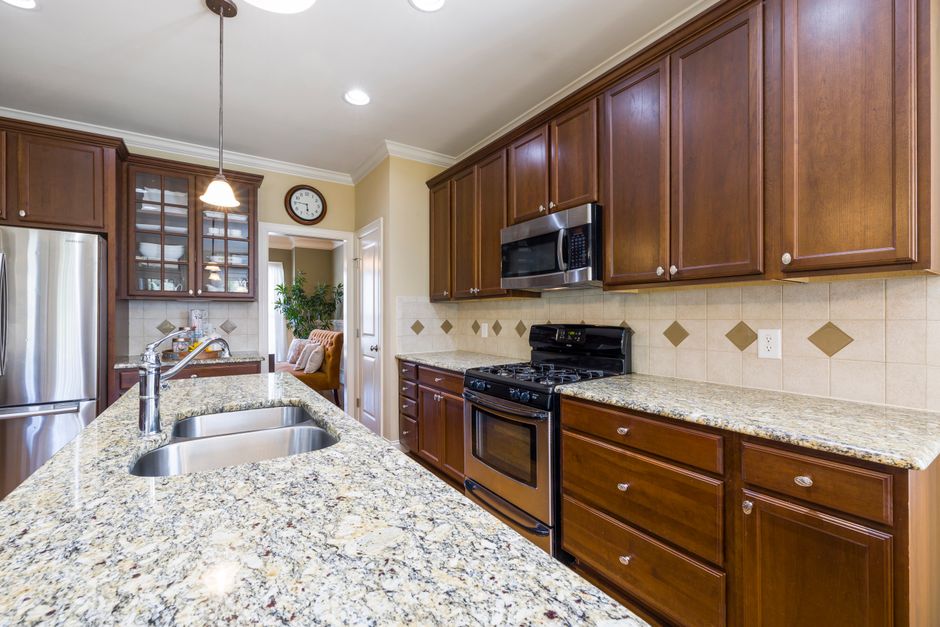
An edge profile should keep the same shape and polish along the full run, including corners and joints. Sight down the length of an eased edge or a bullnose and look for flat spots, tool marks, and dulled polish. A waterfall edge shows mismatches at the miter quickly. Uneven work at a corner usually means the finishing was rushed.
Overhangs
An unsupported stone overhang can crack under load. Thickness helps, but support still depends on the material, the thickness, and how far the stone projects. Look under a seating overhang for the support the fabricator chose, then press on the far end and watch for movement.
Sink cutouts and mounting
Cutout edges should be smooth and finished. Rough cuts leave weak points and visible defects, most noticeably around an undermount sink. The bowl and its contents become very heavy when full, so check that a suitable support method holds the sink and that the stone is not carrying it alone.
Wall gaps and approvals
Gaps at the wall should be even enough for the backsplash or sealant to finish cleanly. Walls are rarely straight, so some variation belongs to the house and not the fabricator. Before any cutting, ask to approve the slab and the seam layout after templating. Color, veining, and seam location are far easier to change on paper than on stone. A remnant used for a small run deserves the same approval, since it may not match the main slab.