Does Winter Cold or Summer Heat Affect Countertop Installation?
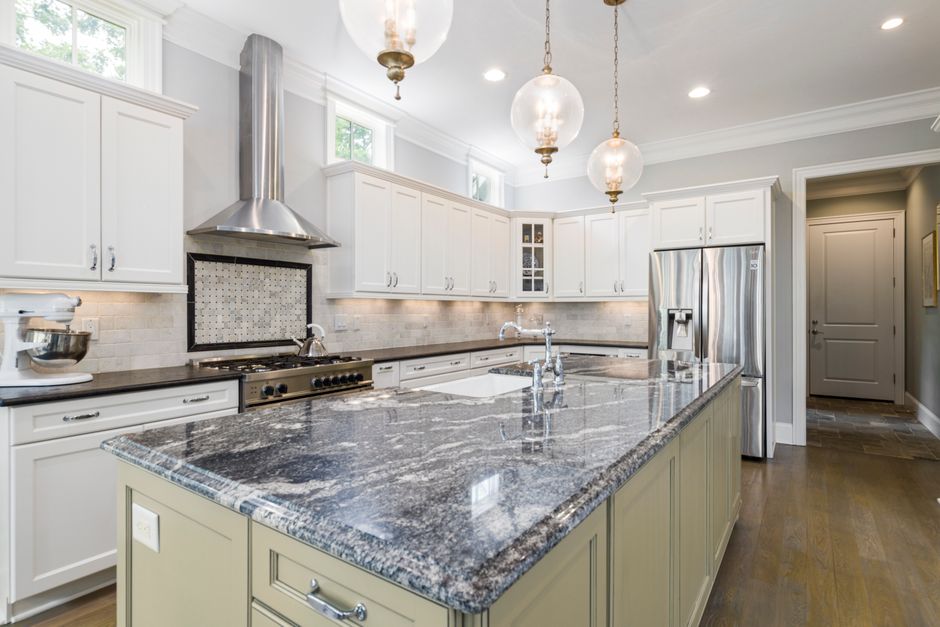
By the time the slab clears the garage door on a January morning in Boise, ID, the thermometer has already made half the decisions about the seam. Cold stone, cold adhesive and a cold kitchen all slow the work, and the wait on a winter countertop install runs longer than countertops boise 10 selection allows on a July job. Summer pushes the other way, with less time to set and finish a joint.
Cold adhesive cures slowly
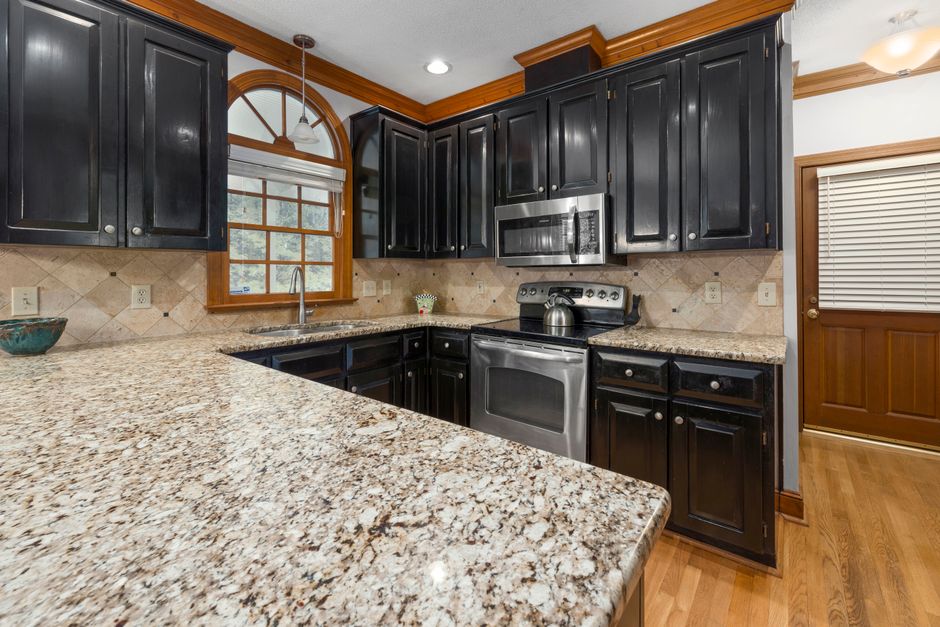
Many seam adhesives and epoxies cure more slowly at low temperatures. Each product lists a temperature range and cure directions, and those numbers decide when a seam can be clamped, leveled and left alone. A slab brought in from a cold truck stays cold for some time, even in a heated room. The installer lets it warm before mixing anything, because glue spread on a cold edge behaves differently than glue spread on a warm one. Stone can be installed in winter, but the schedule has to leave room for that wait.
Heat shortens working time

High temperatures cut the working time of the adhesive. On a hot afternoon there are fewer minutes to align two pieces of quartz, pull the seam tight and clean off the squeeze-out. Good seam placement helps, since a short, straight joint in a low-traffic spot is quicker to close than a long one near the sink. Dry runs before mixing matter more in summer than in any other season.
Keep the house conditioned
Heating or cooling should stay on before, during and after installation. Steadier air means steadier conditions for adhesives, sealers and caulk. A house with the furnace off and the back door propped open gives the installer a moving target. This applies equally to granite, porcelain and solid surface, since all of them depend on adhesive at the joints and on the cabinet line.
Wood moves with the room
A butcher block top gains or loses moisture as indoor humidity changes. It should sit in the home to acclimate before final fitting, so the overhang, cutouts and edge profile are cut on a piece that has settled. Fitting a board straight off a cold, damp truck, then watching it shrink in a dry heated kitchen, is how gaps open at the wall.
Dry air and surface cure
Boise's dry air can speed surface drying on some oil or water based wood finishes. Surface dry does not mean fully cured. The film underneath can still be soft, and a pan, a wet glass or a heavy bag can leave a mark that stays. Follow the recoat and full cure times on the can, not the feel of the top layer. Dry air does not make every adhesive cure faster or stronger, so the same caution applies to seam work.
Walkways and handling
Snow, ice or mud between the truck and the door is a handling hazard. Heavy pieces need secure footing and a clear route, and a long marble or soapstone section with a narrow return carries badly even on dry concrete. Cold stone also does not forgive a knock or a dropped corner, so a rough carry is a risk in any season. Clear and salt the path, lay down boards over mud, and check door widths against the template. If the route is not safe, the delivery waits.