Which Countertop Materials Suit Hard Water and Dry Air?
Most people choose a countertop slab on the showroom look and never test it against the scale remover under the sink in Boise, ID. Water here runs hard and the air indoors runs dry, so the surface sees mineral crust, acid cleaners and swinging humidity all year. The notes at countertops boise 10 selection start from that test, then work outward to edges and seams. Ada County kitchens share the same problem, which is limescale building on the faucet deck every week.
Stone that reacts to acid
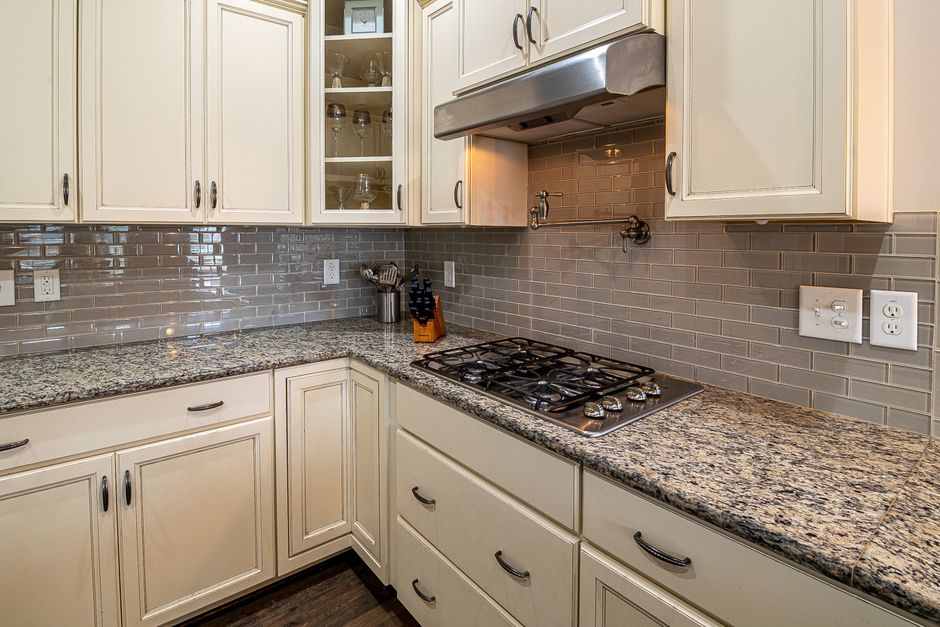
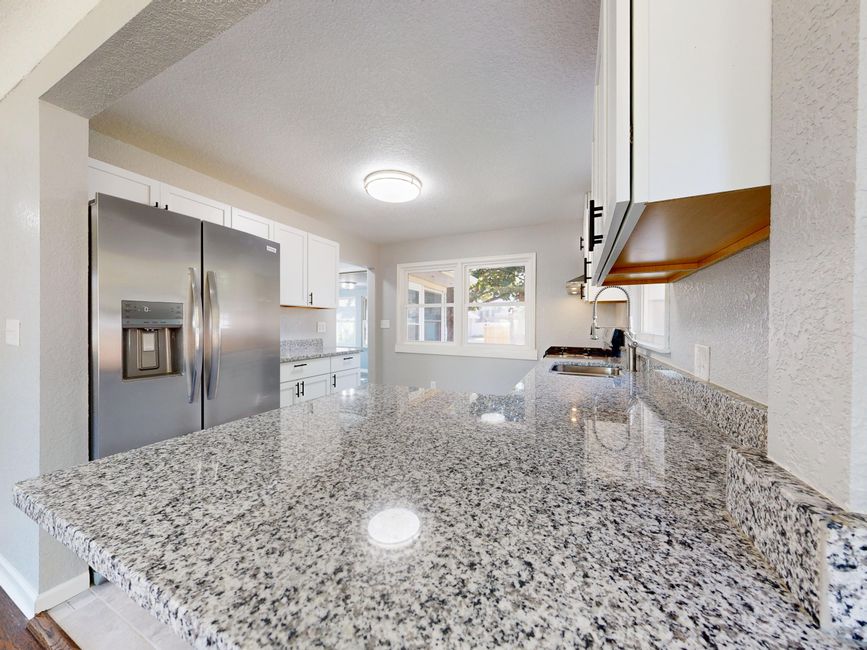
Marble, limestone and travertine contain calcium carbonate, so acidic scale removers etch them. Sealing slows staining, but it does not make marble immune to etching. Granite handles household acids better, though porosity varies from stone to stone and some pieces benefit from sealing while others do not. Quartzite needs a closer look. Some stones sold under that name carry enough calcite to etch, so a sample gets a drop of lemon juice or vinegar before any deposit is paid. Quartz and quartzite are not the same material.
Engineered surfaces
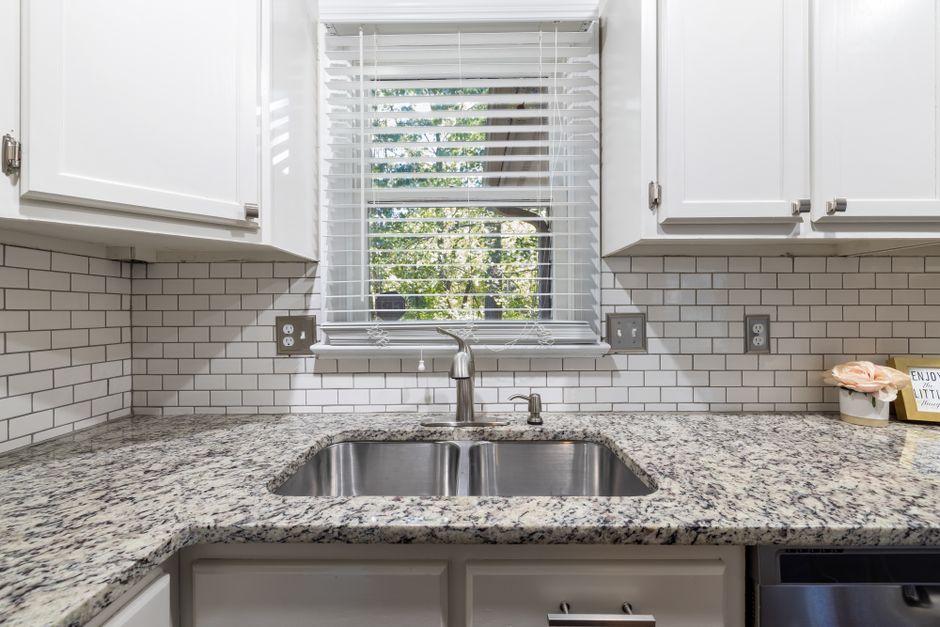
Quartz is ground stone bound with polymer resin, so it needs no routine sealing. The resin can still be damaged by high heat and harsh chemicals, so a trivet goes under every hot pan. Solid surface is acrylic or polyester based. Light scratches can often be sanded out, but hot cookware can mark it. None of these surfaces is maintenance free, only different in what the maintenance is.
Porcelain and wood
Porcelain slab absorbs very little water and shrugs off many cleaners. Thin edges can chip under a sharp impact, so an eased edge is safer than a crisp square corner near the dishwasher. Butcher block moves with humidity. Dry indoor air shrinks it, and a wet sink area swells it, which can crack a poorly finished top or one fastened too rigidly. Finish every face, including the sink cutout, and let the top float on slotted fasteners.
Edges, seams and overhang
An edge profile changes how the top wears. A bullnose rounds the corner and resists chipping better than a sharp arris. A waterfall edge on porcelain or quartz shows the seam and the pattern match on the vertical face, so that joint needs planning. Seam placement belongs away from the sink cutout and from long unsupported spans. Overhang past the cabinet needs support sized to the material, and thin stone should not be left to cantilever. A remnant can cover a vanity or a small island and cut the cost of a full slab.
Template and sample testing
Templating happens after the cabinets are set and level, not before. The template records the sink, the faucet holes and every wall that runs out of square. Meanwhile, the sample test is simple. Leave vinegar on it for a few minutes, wipe it, then look at it under a low raking light. A dull spot means etching. Then leave a few drops of local tap water to dry on it overnight, and judge how the mineral ring wipes off.