How Should You Prepare Your Kitchen for New Countertops?
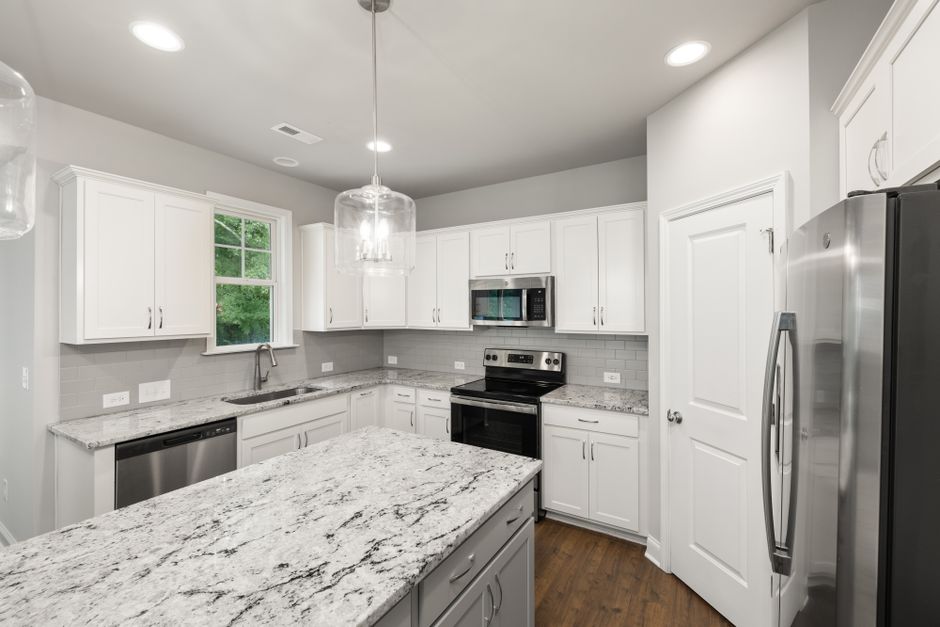
Two base cabinets that look level from the doorway can sit at different heights once a straightedge runs across both. That difference is what templating records, and in a Boise, ID kitchen the prep list below is stricter than countertops boise 10 selection would bother to print on a single card. The countertops go on only after the boxes, the walls, and the fixtures are settled, so the work starts well before anyone measures.
Set and secure the base cabinets first
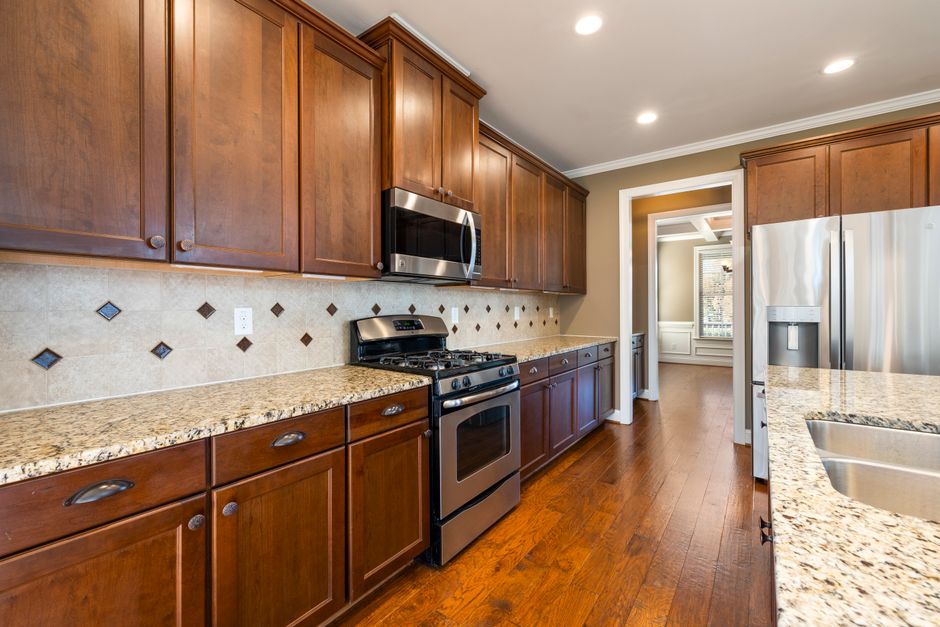
Base cabinets should be installed and fastened before the final template is made. The template records where the boxes actually sit and how the walls run beside them. Moving a cabinet after templating means the template no longer matches the room, and the fabricator may need to measure again. Face frames, end panels, and filler strips should all be in place so the overhang and the edge profile can be laid out against finished surfaces.
Correct high and low spots
A slab of granite, quartz, or quartzite is rigid. It does not bend to follow a sagging run of cabinets, and new countertops cannot correct cabinets that are badly out of level. Check across the tops with a long straightedge and a level, then shim or adjust the low boxes and knock down the high ones. Do this before installation, because a stone top bridging a dip can crack under load or rock on its high points.
Pick the sink, faucet, and cooktop before templating
Cutouts and hole locations depend on the exact dimensions of what goes in them. Sink and faucet choices cannot wait until after fabrication. An undermount bowl, a drop-in cooktop, and a three-hole faucet each need a different layout. Keep the specification sheets for every appliance on hand, since they let the fabricator confirm clearances, cutout sizes, and how close a seam can safely sit to an opening.
Plan the plumbing and gas disconnects
Water supply lines, drains, and gas connections may need to be disconnected before the old top comes out and the new one goes in. Assign that work to a qualified person ahead of installation day, and schedule the reconnection as well. Installers should not be left guessing who shuts off a valve or caps a line while a heavy piece hangs in the air.
Expect damage when the old top comes off
Pulling a laminate, tile, or older stone top can tear drywall, lift a backsplash, or chip cabinet edges. Not every old top comes off clean. Plan for touch up paint, patching, and possibly a new backsplash, and decide who handles it before the kitchen is torn apart. Empty the cabinets and clear the counters, so nothing falls or gets crushed during removal.
Clear a wide path to the kitchen
Long pieces, especially any with a waterfall edge or a bullnose run, travel from the truck through the entry and around corners. Move furniture, rugs, and doors that narrow the route, and watch tight turns in hallways. A clear path lets two installers carry a heavy piece upright without scraping walls or forcing a bad angle with the stone in their hands.